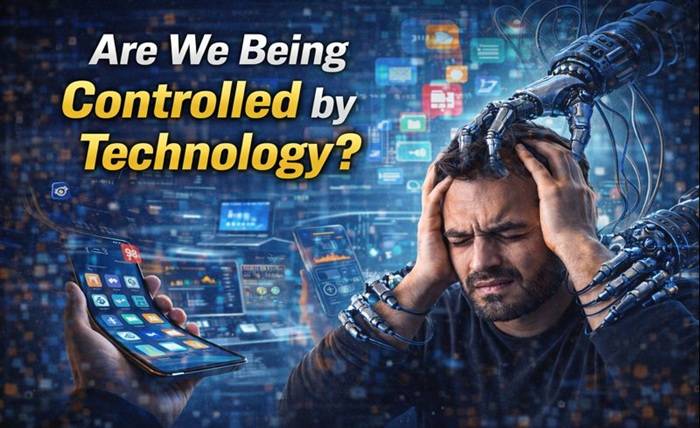
The landscape of modern entertainment has evolved far beyond the traditional confines of physical venues and scheduled broadcasts. As we move deeper into 2026, the convergence of high-speed 5G networks, cloud-based processing, and sophisticated user interfaces has created a world where immersive experiences are accessible from anywhere. This digital revolution is not just about convenience; it is about the democratization of leisure, allowing individuals from all walks of life to engage with high-quality content at their own pace.
The Engineering of Seamless Interaction
One of the most significant hurdles the digital industry faced in previous years was latency. In a world where milliseconds can define the quality of a user experience, developers have had to reinvent the “stack” that powers our favorite platforms. Today, the focus is on edge computing—processing data at the closest possible point to the user. This ensures that whether you are streaming a 4K film or participating in a live interactive session, the feedback is instantaneous.
In the realm of interactive gaming, this technical stability is often what separates a premium provider from the rest. Enthusiasts are constantly on the lookout for platforms that demonstrate consistent uptime and high engagement rates. This has led to the rise of the slot gacor online concept, a term used by savvy users to describe a digital portal that is currently optimized for high performance and favorable outcomes. For the modern consumer, finding these reliable connection points is key to ensuring that their leisure time is both enjoyable and efficient.
Shutterstock
Explore
The Evolution of User Incentives and Security
As competition for digital attention intensifies, platforms have moved away from generic marketing toward highly personalized reward systems. The “one-size-fits-all” bonus is a thing of the past. In 2026, algorithms analyze user preferences to offer incentives that actually matter to the individual. This approach builds a deeper level of trust between the service provider and the customer.
Transparency has also become a non-negotiable standard. Users today are technically literate and wary of restrictive terms and conditions. To combat this skepticism, forward-thinking platforms have introduced more flexible onboarding packages. A prime example is the trend toward offering a bonus new member 100 persen bebas ip, which provides newcomers with a substantial boost to their initial capital without the technical hurdles of IP restrictions. By removing these traditional barriers, companies are proving their commitment to user freedom and accessibility, fostering a more inclusive digital environment.
The Role of AI in Curating Experiences
Artificial Intelligence has transitioned from a buzzword to the very engine that drives our digital interactions. In 2026, AI does more than just recommend what to watch or play next; it dynamically adjusts the interface to suit a user’s mood and environment. If you are accessing a platform late at night, the UI might automatically shift to a high-contrast dark mode with simplified navigation to reduce eye strain.
Furthermore, AI is being used to ensure “fair play” and ethical standards across the board. Real-time monitoring tools can now detect fraudulent behavior or bot activity with 99% accuracy, protecting the integrity of the digital space for genuine human users. This layer of invisible security is what allows the digital economy to thrive, as users feel safe knowing their data and interactions are being guarded by sophisticated neural networks.
Mobile-First: The Global Standard
The dominance of the smartphone is now absolute. In many parts of the world, the mobile device is the primary—and often only—gateway to the internet. This “mobile-only” reality has forced designers to adopt a minimalist philosophy. We see more haptic feedback, voice-integrated commands, and gesture-based navigation than ever before.
This shift has also democratized access to entertainment in emerging markets. When a platform is optimized for low-bandwidth mobile environments, it opens the door for millions of new users who were previously excluded by high hardware requirements. The digital world of 2026 is truly global, bridging the gap between different socioeconomic backgrounds through shared virtual experiences.
Final Thoughts: A Future Defined by Choice
The digital transformation of 2026 is defined by one word: empowerment. Users are no longer passive recipients of content; they are active participants who demand high performance, transparent rewards, and absolute security. By prioritizing technical excellence and user-centric incentives, the architects of our digital future are building a world where entertainment is not just an escape, but a seamless and rewarding part of our daily lives.